
Discipline>motivation
Why consistency matters more than temporary inspiration?

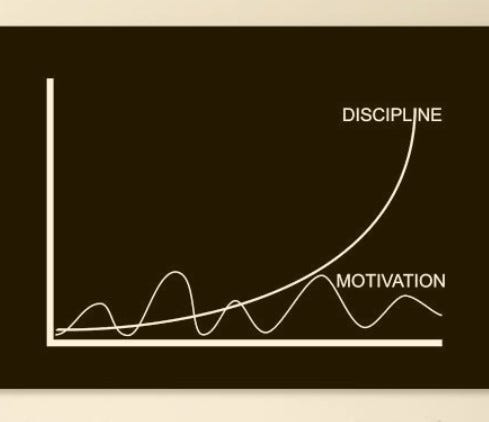
Motivation feels powerful when it appears.
It creates energy, excitement, and the feeling that change will finally happen. On motivated days, tasks feel easier, focus feels stronger, and progress feels natural.
But motivation is unreliable.
Some days it is strong. Other days it disappears completely without warning. If your actions depend entirely on feeling motivated, consistency becomes difficult because your progress changes with your emotions.
This is where discipline becomes more important.
Discipline is the ability to continue even when motivation is low, emotions change, or the process stops feeling exciting. It allows action to continue without needing constant inspiration to support it.
Most meaningful progress is not built during highly motivated moments.
It is built during ordinary days — the repetitive days, the difficult days, the emotionally low days where showing up requires intention instead of excitement.
This is why disciplined people often make more long-term progress than highly motivated people who only act when they feel inspired.
Discipline creates stability.
Instead of asking yourself how you feel every day, you begin relying more on routines, habits, structure, and commitment. Action becomes less emotional and more intentional.
That does not mean motivation has no value. Motivation can help you begin, reset, or regain energy. But discipline is what carries goals forward once the emotional excitement fades.
Over time, discipline also builds confidence.
You begin trusting yourself because your actions stop depending entirely on temporary moods. And that trust creates stronger habits, clearer direction, and more reliable progress.
Because long-term growth usually belongs to the people who continue after motivation disappears.
Motivation may come and go, but discipline keeps your life moving forward consistently.